
care
How to Wash Compression Socks (Without Wrecking the Stretch)
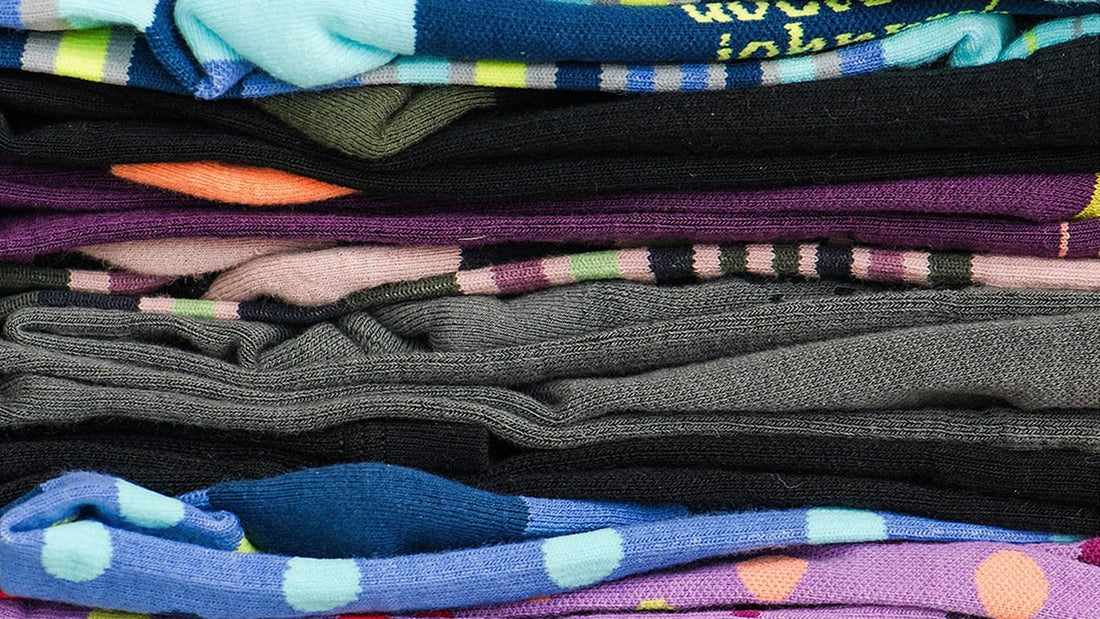
A compression sock works because of what its fibers do — they hold a specific amount of tension, firmest at the ankle, easing up the calf. Wash them the way you'd wash a gym sock and you'll shorten the life of that tension considerably.
The good news: looking after them properly takes about thirty extra seconds.
Why washing them properly matters
The elastic fibers that create compression are the part that wears out. Heat is their enemy — hot water and hot dryers break down elastane faster than anything else you'll do to a sock. Harsh detergents and fabric softener coat the fibers and stop them recovering their shape.
A pair washed carelessly can lose noticeable firmness months before it should. A pair looked after will hold its compression for its full working life.
How to wash compression socks, step by step
- Turn them inside out. The inside is what touches your skin all day; it's the side that needs the wash.
- Use cold water. Never hot — heat is what wears out the stretch.
- Use a mild detergent. Skip bleach and skip fabric softener — softener coats the elastic fibers and stops them springing back.
- Wash them gently. By hand, or on a delicate cycle in a mesh laundry bag so they aren't stretched by zips and hooks.
- Don't wring them out. Press the water out between your palms, or roll them in a towel and press.
- Air dry, flat or hanging, away from direct heat. Not on a radiator, not in a sunny window.
Ours are a moisture-wicking cotton blend with an antimicrobial silver-ion wash for odor and stain protection — which helps between washes, but doesn't replace them.
Can you put compression socks in the dryer?
We'd say don't. A tumble dryer's heat is the fastest way to break down the elastic fibers that make the sock work, and once that tension is gone it doesn't come back.
If you're going to anyway, use the lowest heat or an air-only setting, and take them out while they're still slightly damp. Air drying takes a few hours and costs your socks nothing.
How often should you wash compression socks?
After every wear. Not because of odor — because of the stretch.
A compression sock relaxes slightly over a day on your leg. Washing lets the fibers recover their shape, which means the pair you put on tomorrow is doing its job properly. Wearing the same pair three days running means day three is a noticeably softer sock than day one.
This is the practical argument for owning more than one pair: a rotation means a freshly recovered sock every morning, and each individual pair gets washed and worn less often, which makes all of them last longer.
What ruins a pair fastest
- The dryer. By a distance.
- Fabric softener. Coats the fibers; stops them recovering.
- Hot water. Same problem as the dryer, slower.
- Bleach. Breaks down elastic and the fabric both.
- Long fingernails and rings. Most tears happen while pulling socks on, not in the wash. Gather the sock down to the heel, work your foot in, then roll it up the leg — don't tug it from the top band.
- Leaving them bunched up damp. Dry them properly or they'll smell regardless of the silver-ion finish.
How long do compression socks last?
Here's the part nobody tells you when you buy your first pair: compression fades after about six months of regular wear. That's not a defect — it's what happens to elastic fibers that are stretched and released every single day.
The sock will still look fine. It'll still feel like a sock. It just won't be applying the same mmHg it did when it was new, which means it isn't doing the job you bought it for.
Signs your pair has had its day:
- It goes on much more easily than it used to
- The top band no longer stays put
- Your legs feel at the end of the day the way they did before you started wearing compression
- The fabric looks thin or shiny at the ankle
Good care stretches that six months toward its best case. It doesn't make a pair last forever.
When it's time, you'll find everyday 15–20 mmHg, 20–30 mmHg, and the full compression range here — and if you're not sure which level you're replacing, the compression guide walks through it, and how to measure covers getting the size right.
Frequently asked questions
How do you wash compression socks?
Turn them inside out, wash in cold water with a mild detergent — no bleach, no fabric softener — either by hand or on a delicate cycle in a mesh bag. Press the water out rather than wringing, and air dry away from direct heat.
Can you put compression socks in the dryer?
We'd recommend against it. Dryer heat breaks down the elastic fibers that create compression, and that tension doesn't come back. If you must, use the lowest heat or air-only setting and remove them while still slightly damp.
How often should you wash compression socks?
After every wear. Washing lets the fibers recover their shape, so the pair goes back on doing its job properly. Wearing the same pair several days running leaves you with a noticeably softer sock.
How long do compression socks last?
Compression fades after around six months of regular wear as the elastic fibers lose tension. The sock will still look fine — it just won't be applying the compression it did when new. Good care helps you get the most out of that window.
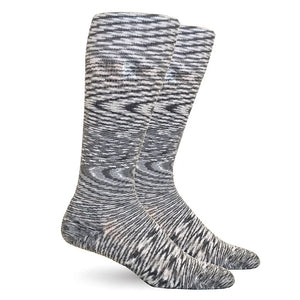
Recommended by Dr. Johnny's
Compression Socks
Surgeon-designed for comfort and healthy circulation — with free shipping on all orders within the continental US.
Shop Compression Socks →Feet-first, straight to your inbox
Practical foot-health tips from Dr. Segal. No spam — unsubscribe anytime.