Swelling during pregnancy and postpartum is common—but it’s not something women should be left to navigate without information. Understanding circulation, clot risks, and leg health can help you protect your body during and after pregnancy.
Why Swelling Happens During Pregnancy
Many women are told that swelling in pregnancy is “normal”—and in many cases, it is. But understanding why it happens gives you more control over how you manage it.
During pregnancy, your body undergoes major circulatory changes:
- Your blood volume increases significantly
- Hormones cause blood vessels to relax
- The growing uterus puts pressure on veins returning blood from the legs
- Fluid retention increases to support the pregnancy
All of this can slow the return of blood from your legs back to your heart, leading to swelling in the feet, ankles, and calves—especially later in pregnancy or after long periods of standing or sitting.
Swelling After Birth: Why It Can Get Worse Before It Gets Better
Many women are surprised to find that swelling doesn’t disappear immediately after delivery—and sometimes it actually increases.
Postpartum swelling can happen because:
- Your body is redistributing excess fluid
- Hormonal shifts affect circulation
- Reduced movement during recovery slows blood flow
- IV fluids given during labour increase fluid load
In most cases, swelling improves gradually over the first few weeks postpartum. But persistent or one-sided swelling should never be ignored.
Understanding Blood Clots in Pregnancy & Postpartum
Pregnancy and the postpartum period both increase the risk of blood clots, particularly deep vein thrombosis (DVT).
This happens because pregnancy naturally puts the body into a “clot-ready” state to protect against bleeding during childbirth. Combined with slower circulation in the legs, this increases clot risk.
Warning signs to watch for:
- Swelling in one leg more than the other
- Leg pain or tenderness (often in the calf)
- Warmth or redness in one leg
- Sudden shortness of breath (seek emergency care)
If you notice these symptoms, it’s important to seek medical attention immediately.
Why Women Aren’t Told Enough About This
Leg health during pregnancy and postpartum is often under-discussed because swelling is so common that it’s easily dismissed. Many women don’t realize there’s a difference between expected swelling and signs that deserve further evaluation.
Education empowers women to ask better questions—and advocate for their own care.
How to Support Healthy Circulation During & After Pregnancy
The good news: there are simple, effective ways to support circulation and reduce discomfort.
- Move regularly: Gentle walking helps activate the calf muscles, which act as a pump for blood flow.
- Elevate your legs: Raising your feet above heart level helps reduce fluid buildup.
- Avoid long periods of sitting or standing: Even small position changes help.
- Stay hydrated: Proper hydration supports circulation and fluid balance.
The Role of Compression Socks
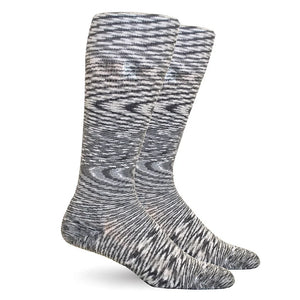
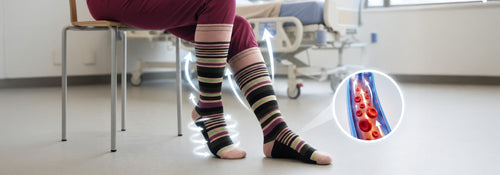
Compression socks are often recommended during pregnancy and postpartum because they provide graduated pressure that helps move blood upward from the legs.
They can help:
- Reduce leg and ankle swelling
- Support healthy circulation
- Decrease feelings of heaviness or fatigue
- Provide comfort during long days or recovery periods
Compression should always be used under the guidance of a healthcare provider—especially during pregnancy.
Support your legs gently: Explore our surgeon-designed compression socks made for comfort, circulation, and real life.
When to Talk to Your Doctor
Always contact your healthcare provider if you experience:
- Sudden or severe swelling
- One-sided leg swelling or pain
- Skin colour changes or warmth
- Shortness of breath or chest pain
Pregnancy and postpartum are times when your body deserves extra attention—not dismissal.
This Is Just the Beginning
Swelling, circulation, and clot risk shouldn’t be taboo topics. They’re part of women’s health—and they deserve clear, compassionate conversation.
This is the first article in our Women’s Leg Health series. In upcoming posts, we’ll talk more about postpartum recovery, clot prevention, and how to care for your legs through every stage of life.