After birth, your body doesn’t simply “snap back”—and your legs are no exception. Here’s what changes postpartum, what typically improves with time, and which symptoms deserve medical attention.
The postpartum period is full of changes that aren’t always talked about—especially when it comes to your legs. Swelling, heaviness, visible veins, or lingering discomfort can feel surprising after delivery, and many women are left wondering what’s normal and what’s not.
The truth is: your circulatory system is still recalibrating after pregnancy, and your legs often feel it first.
Why Legs Feel Different After Birth
During pregnancy, your body increases blood volume, shifts hormones, and adjusts circulation to support your growing baby. After delivery, those systems don’t reset overnight.
Common postpartum contributors to leg changes include:
- Residual fluid retention
- Hormonal shifts affecting blood vessel tone
- Reduced movement during recovery
- Pressure on veins that hasn’t fully resolved yet
- Healing from labour or a C-section
For many women, these changes are temporary—but understanding them can make recovery feel far less confusing.
What’s Common (and Often Improves with Time)
These postpartum leg symptoms are very common and often improve gradually over the first several weeks:
- Swelling in both legs: Especially in the feet and ankles
- Heaviness or fatigue: Legs may feel tired even with light activity
- Mild aching: Often worse at the end of the day
- Visible veins: Spider or varicose veins may become more noticeable
Gentle movement, leg elevation, hydration, and time all play a role in improvement.
What Typically Improves First
Postpartum recovery isn’t linear, but many women notice improvements in this general order:
- Swelling begins to reduce within 1–2 weeks
- Leg heaviness eases as circulation improves
- Skin tightness and puffiness slowly resolve
Visible veins may take longer to fade—and some may persist, especially if there’s a family history of vein issues.
Symptoms You Shouldn’t Ignore
While many changes are normal, some symptoms require prompt medical attention.
Contact your healthcare provider if you notice:
- Swelling that affects only one leg
- Sudden or severe leg pain
- Warmth, redness, or tenderness in one calf
- Shortness of breath or chest pain (seek emergency care)
These can be signs of a blood clot and should never be dismissed as “just postpartum swelling.”
Supporting Healthy Circulation During Postpartum Recovery
While recovery looks different for everyone, these gentle habits can support leg comfort and circulation:
- Short walks: Even brief movement helps activate circulation
- Leg elevation: Especially after feeding or resting
- Avoid prolonged sitting: Change positions when possible
- Hydration: Supports fluid balance and healing
How Compression Socks Can Help Postpartum
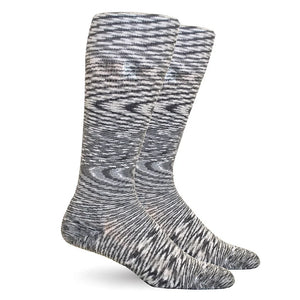
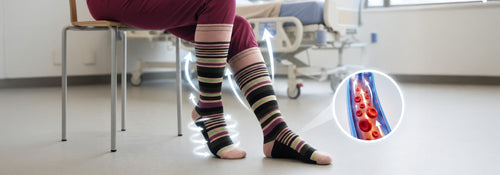
Compression socks are often recommended during postpartum recovery because they apply graduated pressure to support blood flow back toward the heart.
They can be especially helpful if you:
- Experience lingering swelling
- Spend long periods sitting while feeding or resting
- Are gradually returning to activity
- Have a history of circulation issues
Always check with your healthcare provider before using compression postpartum—especially if you’ve had complications.
Support recovery from the ground up: Explore our surgeon-designed compression socks made for comfort, circulation, and everyday wear.
Your Body Is Still Healing
The postpartum period is not a finish line—it’s a transition. Leg changes don’t mean something is wrong; they mean your body is still adjusting after an extraordinary amount of work.
Understanding what’s normal, what improves with time, and what deserves medical attention helps you care for yourself with confidence—not worry.
This article is part of our Women’s Leg Health series. In the next post, we’ll talk more about blood clots—what they are, why risk increases during pregnancy and postpartum, and the warning signs every woman should know.