Compression socks are often recommended during pregnancy and postpartum—but many women still feel unsure about when to use them, how they work, and whether they’re safe. Here’s what you need to know.
By the time swelling, heaviness, or leg discomfort appears, many women hear the same suggestion: “Have you tried compression socks?”
And yet, compression can feel confusing. Are they safe? Are they only for medical conditions? Could they make things worse?
Let’s clear up the most common myths and explain how compression fits into pregnancy and postpartum care.
What Compression Socks Actually Do
Compression socks apply graduated pressure to the legs—meaning the pressure is strongest at the ankle and gradually decreases as it moves up the calf.
This design helps:
- Encourage blood flow back toward the heart
- Reduce pooling of blood in the lower legs
- Support tired or heavy-feeling legs
- Manage swelling associated with circulation changes
They don’t “force” blood upward; they gently support what your body is already trying to do.
Common Myths About Compression
Myth #1: Compression is only for medical problems
While compression is often prescribed for medical reasons, it’s also widely used preventively—especially during pregnancy, postpartum recovery, travel, and long periods of standing or sitting.
Myth #2: Compression can cut off circulation
Properly fitted compression socks are designed to support circulation, not restrict it. Socks that dig in, roll down, or leave deep marks are usually the wrong size or style.
Myth #3: You should wait until swelling is severe
Compression is often most helpful when used early—before swelling becomes uncomfortable or persistent.
Is Compression Safe During Pregnancy?
For many women, compression socks are considered safe during pregnancy and are commonly recommended by obstetricians and midwives—especially for those experiencing swelling, leg fatigue, or long periods of immobility.
Compression may be suggested if you:
- Experience leg or ankle swelling
- Stand or sit for long hours
- Have a history of circulation issues
- Travel during pregnancy
Always follow your provider’s recommendations regarding compression level and duration of wear.
Compression in the Postpartum Period
After delivery, your circulatory system is still adjusting. Fluid shifts, hormonal changes, and reduced movement can all affect your legs.
Compression socks are often used postpartum to:
- Support circulation during recovery
- Help manage lingering swelling
- Provide comfort during long periods of sitting or feeding
- Encourage movement as activity gradually increases
Postpartum compression should always be discussed with your healthcare provider—especially if you’ve had complications or surgery.
Choosing the Right Compression Socks
Not all compression socks are created equal. Comfort and fit matter—especially during pregnancy and postpartum recovery.
Look for socks that:
- Offer graduated compression
- Feel supportive without digging in
- Stay up without rolling or pinching
- Are made with breathable, comfortable materials
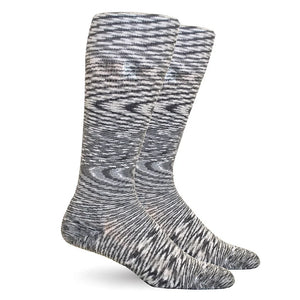
Dr. Johnny’s compression socks are designed by a surgeon with real life in mind—supportive, comfortable, and wearable throughout the day.
Support your legs with confidence: Explore our surgeon-designed compression socks made for comfort, circulation, and everyday wear.
When Compression Isn’t Enough
Compression socks are a supportive tool—but they’re not a replacement for medical care.
Contact your healthcare provider if you experience:
- Sudden or one-sided leg swelling
- Severe pain or warmth in one leg
- Shortness of breath or chest pain
Compression works best as part of a bigger picture of care, awareness, and communication with your provider.
Support, Not Pressure
Pregnancy and postpartum recovery come with enough pressure already. Compression, when used appropriately, should feel supportive—not stressful.
This final post completes our Women’s Leg Health Series. Our goal is simple: to help women understand their bodies, recognize important symptoms, and feel confident caring for their legs through every stage of life.