Cold feet in winter are common—but sometimes they’re your body’s way of asking for a little extra care. Here’s why your feet feel colder when the temperature drops, and what you can do to support warm, comfortable circulation.
As soon as the weather turns chilly, a lot of us notice the same thing: our feet are the first to feel it. For most people, cold feet in winter are completely normal. But in some cases, they can also hint at what’s happening with your circulation or overall health.
Why Your Feet Get Colder in Winter
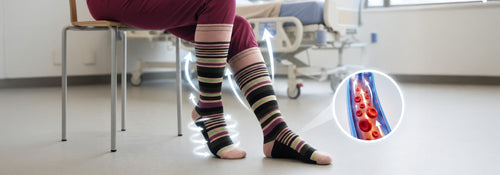
Your body is smart. When it’s cold outside, it works to protect your core organs (heart, lungs, brain) by sending more warm blood there and less to your hands and feet. Blood vessels in your extremities tighten, which can make your toes feel chilly even when the rest of you feels fine.
You’re also more likely to:
- Sit still for longer periods (at your desk, on the couch, in the car)
- Wear shoes or boots that don’t leave much room for circulation
- Stay indoors where the air is cooler near the floor
All of that adds up to less warm blood reaching your feet—and more “why are my toes always freezing?” moments.
When Cold Feet Might Be About More Than the Weather
Cold feet can be totally normal in winter, but they can also be a sign of underlying issues, especially if they’re:
- Persistent (cold most of the time, even indoors)
- Paired with pain, color changes, or numbness
- Different from what you usually experience in winter
According to the Cleveland Clinic, common causes of cold feet—beyond just the chill outside—can include:
- Poor circulation in the legs and feet
- Diabetes
- Peripheral artery disease (PAD)
- Raynaud’s phenomenon (blood vessels overreacting to cold or stress)
- Hormonal or thyroid issues
If your cold feet are new, worsening, or accompanied by skin colour changes (white, blue, or very red toes), tingling, or pain, it’s important to have a conversation with your doctor.
How Cold Weather Affects People with Diabetes
For people living with diabetes, winter can be especially tricky. Diabetes can impact both circulation and nerve health (neuropathy), which means your feet may:
- Feel cold more often
- Be numb, even when they’re actually cold
- Take longer to warm up after being outside
This makes gentle, protective foot care in winter even more important. That includes checking your feet daily, keeping skin moisturized, and choosing socks that don’t leave marks or rub against sensitive areas.
What Is Raynaud’s—and How Is It Different?
Some people have a condition called Raynaud’s disease, where the small blood vessels in fingers and toes tighten more than they should in response to cold or stress. During an episode, toes (or fingers) may turn white or blue, feel numb, then become red and tingly as blood flow returns.
If you notice strong color changes, intense pain, or episodes triggered even by mild cold or stress, it’s worth getting evaluated to see if Raynaud’s might be a factor.
Simple Ways to Support Warm, Comfortable Feet in Winter
The good news: a few simple habits can go a long way toward keeping your feet more comfortable in cold weather.
- Keep moving: Wiggle your toes, flex your ankles, or take short walking breaks to encourage blood flow.
- Layer wisely: Choose socks that are warm but not tight. Too much squeezing can actually reduce circulation.
- Stay dry: Moisture from sweat or snow can make feet feel colder—moisture-wicking socks help.
- Skip overly tight footwear: Boots that are too snug leave less room for warm air and healthy circulation.
- Warm gradually: If your feet are very cold, warm them gently (not with very hot water or direct heat pads, which can burn).
How Dr. Johnny’s Socks Help in Cold Weather
Our socks were designed by a surgeon with circulation, comfort, and real life in mind—especially during long Canadian winters.
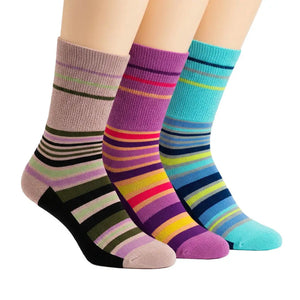
Compression Socks for Winter Circulation
Compression socks provide graduated pressure to help support blood flow in the legs. They’re especially helpful if you:
- Stand on your feet for long shifts (hello, healthcare heroes)
- Spend hours sitting at a desk or on the couch
- Travel by plane, train, or car for long stretches
They don’t replace medical treatment, but they can be a powerful tool in your winter comfort toolkit.
Non-Binding Socks for Sensitive or Diabetic Feet
For people with diabetes, neuropathy, or swelling, traditional tight cuffs can be a problem. Our non-binding diabetic socks are designed to:
- Stay up without digging in or leaving marks
- Use seamless construction to help reduce rubbing
- Wick moisture away so feet stay drier and more comfortable
They’re cozy enough for winter, but gentle enough for sensitive feet all year long.
Cold feet, warm heart: Support your winter circulation with surgeon-designed socks that blend comfort, function, and style.
When to Talk to Your Doctor
It’s always a good idea to reach out to a healthcare provider if:
- Your feet are cold most of the time, even indoors
- You notice color changes (white, blue, or very red toes)
- You have pain, open sores, or numbness that doesn’t improve
- You’re living with diabetes and notice new changes in how your feet feel
Sometimes cold feet are just a sign that it’s winter. Sometimes, they’re your body asking for a closer look. Either way, you deserve warm, comfortable, well-supported legs and feet—this season and every season.