Blood clots aren’t just a concern for older adults. Hormones, pregnancy, postpartum recovery, and long periods of immobility can all increase risk for women. Knowing the warning signs can save lives.
Blood clots are not something most women expect to deal with—yet they affect thousands every year. Because symptoms can be subtle or mistaken for “normal” swelling or muscle pain, clots are often missed or dismissed.
Understanding how blood clots form, who is at higher risk, and which symptoms require urgent care is a critical part of protecting women’s health.
What Is a Blood Clot?
A blood clot forms when blood thickens and sticks together inside a vein. While clotting is a normal process that helps stop bleeding, problems arise when clots form unnecessarily or don’t dissolve properly.
The most common type discussed in women’s health is deep vein thrombosis (DVT), which usually occurs in the deep veins of the leg.
If part of a clot breaks off and travels to the lungs, it can cause a pulmonary embolism (PE)—a medical emergency.
Why Women Face Unique Blood Clot Risks
Women experience certain life stages and hormonal shifts that can increase clot risk.
Risk factors include:
- Pregnancy and the postpartum period
- Hormonal birth control or hormone therapy
- Extended bed rest or reduced mobility
- Long flights or car rides
- Previous blood clots or family history
- Smoking
- Obesity or certain medical conditions
During pregnancy and postpartum recovery, the body naturally enters a more “clot-ready” state to protect against bleeding—making awareness especially important.
Common Warning Signs of a Blood Clot in the Leg
Blood clots don’t always cause dramatic symptoms. Many women describe them as vague or easy to ignore.
Watch for:
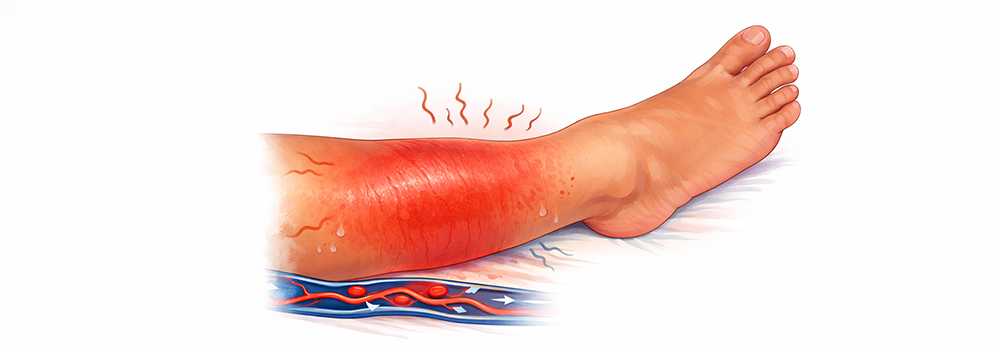
- Swelling in one leg (not both)
- Pain or tenderness in the calf or thigh
- Warmth in the affected area
- Red or discoloured skin
- A feeling of tightness or heaviness in one leg
If these symptoms appear suddenly or worsen, they should never be brushed off as “just postpartum swelling” or a muscle strain.
Emergency Symptoms You Should Act on Immediately
If a clot travels to the lungs, symptoms can escalate quickly.
Seek emergency medical care if you experience:
- Sudden shortness of breath
- Chest pain that worsens with breathing
- Rapid heart rate
- Dizziness or fainting
Trust your instincts. It’s always better to be evaluated and reassured than to delay care.
Why Blood Clots Are Often Missed in Women
Many women are told swelling, leg pain, or fatigue is “normal”—especially during pregnancy or postpartum recovery. While some changes are common, this normalization can make warning signs easier to overlook.
Education helps women distinguish between expected discomfort and symptoms that deserve medical attention.
How to Reduce Blood Clot Risk
Not all clots can be prevented, but certain habits support healthier circulation.
- Move regularly: Gentle walking activates the calf muscles, which help move blood upward.
- Avoid prolonged sitting: Especially during travel or recovery.
- Stay hydrated: Dehydration can thicken blood.
- Follow medical guidance: Especially after surgery, delivery, or complications.
The Role of Compression Socks
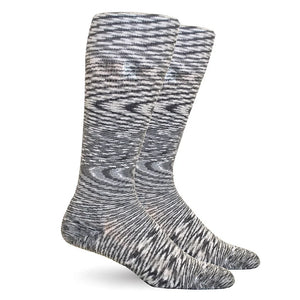
Compression socks are often recommended by healthcare providers to support circulation in the legs.
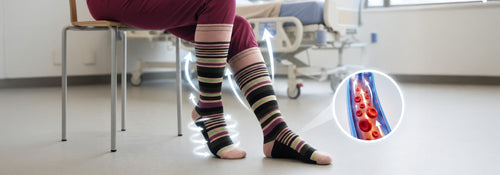
They work by applying graduated pressure that encourages blood to flow back toward the heart, which may help:
- Reduce leg swelling
- Support circulation during long periods of sitting or standing
- Relieve feelings of heaviness or fatigue
Compression socks are not a treatment for blood clots—but they can be a helpful preventive tool when used appropriately and under medical guidance.
Support circulation with confidence: Explore our surgeon-designed compression socks made for everyday comfort and support.
Knowledge Is a Form of Care
Blood clots are serious—but awareness is powerful. Knowing the warning signs helps women advocate for themselves, seek timely care, and protect their health during every stage of life.
This article is part of our Women’s Leg Health series. In the next post, we’ll explore how compression fits into pregnancy and postpartum care—what myths to ignore and what guidance to follow.